
Why is a good night's sleep essential to quality of life?
A good night’s sleep isn’t a luxury; it’s the foundation of a better life. Imagine waking each morning feeling energised, focused, and ready to face any challenge. Quality sleep is as essential as a balanced diet and regular exercise, yet it’s often overlooked.Without it, every aspect of your life can suffer: your mood, productivity, appearance, and even your long-term health. When you sleep well, your brain and body work together to restore and renew you from within. You’ll notice your mind is sharper, your immune system is stronger, and your body is more resilient. Sleep enables you to think clearly, learn more quickly, interact positively, and achieve your goals each day. For expectant mums, a restful night is even more vital, as it supports both mother and baby throughout every stage of pregnancy. Prioritise your sleep, because you deserve to be at your best every day.
Pregnancy is one of the most physically demanding experiences your body will ever go through, and poor sleep makes every part of it harder. The right mattress during pregnancy does more than improve your comfort. It protects your spine, supports safe side sleeping, and reduces risks that doctors now directly link to sleeping position.
Stillbirths and miscarriages are heartbreaking tragedies that forever change the lives of mothers and families. The scale of this crisis is staggering. In the UK alone, one in four pregnancies ends in loss before birth, and in the US, more than 22,000 families each year experience the devastation of stillbirth. Worldwide, over 2.5 million babies are stillborn annually. These numbers are more than statistics; they represent families in pain and futures lost. Now is the time to act. This has been a driving factor for Oromed for over 20 years to tackle this issue with solutions that deliver tangible benefits.
This complete buying guide covers every factor you need to know, from firmness and materials to trimester-by-trimester needs and the features that genuinely make a difference for expectant mums.
What IS the best mattress for pregnancy ?
The best mattress for pregnancy is a medium-firm natural latex mattress that supports left-side sleeping, relieves pressure on the shoulders and hips, regulates body temperature, and maintains proper spinal alignment throughout the night.
Key features to look for in the optimum pregnancy mattress include:
- Medium-firm support to keep hips and spine correctly aligned
- Dedicated shoulder pressure relief for comfortable side sleeping
- Natural, breathable latex or quality hybrid construction
- Hypoallergenic materials safe for pregnancy-sensitive immune systems
- Strong edge support for easier getting in and out of bed
- Temperature regulation to manage the higher body heat of pregnancy
- Integrated massage therapy via the OROMED’s Massage System for muscular tension relief.
- ORO Stillbirth Alarm enables expectant mums to lessen the risk of stillbirth by up to 50%

Why your current mattress may not be safe during pregnancy
Most mattresses are designed for back sleepers. A mattress that felt perfectly comfortable before pregnancy can become the primary source of back pain, hip ache, shoulder stiffness, and broken sleep by the second trimester.
As your bump grows, your centre of gravity shifts forward. Your hips widen and relaxing hormones loosen every joint in your body, making spinal misalignment during sleep far more damaging than it would normally be. A mattress that allows your hips to sink too deeply will force your lumbar spine into a curved, unnatural position. Eight hours on that surface each night can build cumulative musculoskeletal damage.
Beyond discomfort, sleep position during pregnancy has real clinical significance. Medical research, supported by Tommy's, the NHS, and leading stillbirth researchers, including Professor Alexander Heazell, confirms that sleeping on your back in the second and third trimesters compresses the inferior vena cava, the major vein returning blood from the lower body to the heart. This reduces the oxygen supply to the baby. A mattress that's not optimised for pregnancy making side sleeping uncomfortable can push mothers towards back sleeping without them realising it.
The best type of mattress for pregnancy: materials compared
OROMED’s latex mattress - The best choice during pregnancy and beyond
At OROMED, we believe that latex is the single best material for a mattress during maternity. Here is exactly why:
- It contours gently to the body without the excessive sinking that memory foam creates
- Its open-cell structure allows continuous airflow, keeping the surface cool all night
- It is naturally hypoallergenic and resistant to dust mites, mould, and bacteria.
- It contains zero toxic solvents or chemical off-gassing, making it safe for pregnancy
- It maintains consistent support without softening over years of use
-
It lasts up to 20 years, far outlasting conventional spring mattresses
The oro-sleep-system/oro-advanced-latex-mattress is built on 100% natural latex and goes significantly further than any standard latex mattress on the market. Its patented Pressure Relief Comfort RecessTM creates a dedicated recessed zone at the shoulder position. When you sleep on your side, this recess physically removes pressure from the shoulder and moves it out of the spinal alignment pathway, allowing the neck and spine to rest in a perfectly straight, natural posture. No other mattress of any material achieves this.
Memory Foam - Comfortable but Limited for Pregnancy
Memory foam is widely marketed for pressure relief but has two significant drawbacks for expectant mums:
- It traps body heat, which is a serious problem during pregnancy when core temperature is already elevated.
- Even the highest quality memory foam does not solve the shoulder alignment problem. The shoulder remains physically in the way of correct spinal posture regardless of how soft the surface is
Memory foam is a reasonable choice in early pregnancy but becomes problematic from the second trimester onwards.
What mattress firmness is best during pregnancy ?
Medium-firm is the clinically recommended firmness for a pregnancy mattress. The reasoning is straightforward:
Too soft means the hips drop below the shoulder line during side sleeping, curving the spine downward and creating lower back pain that worsens week by week.
Too firm means the mattress refuses to yield to the natural curves of a pregnant body, creating painful pressure points at the hip and shoulder that cause numbness and disrupted circulation.
Medium-firm holds the hips level while providing enough cushioning to accommodate the shoulder and hip curves of a pregnant body in the side-sleeping position.
As pregnancy progresses into the third trimester, a slightly softer comfort layer on top of a medium-firm base becomes the ideal combination. This is exactly the approach taken in the ORO Advanced Latex Mattress, where the pressure-relieving recess addresses the single greatest challenge of side sleeping without compromising overall spinal support.
Changes by trimester: what to look for in your mattress
First trimester (Weeks 1 to 13)
In the first trimester, your bump is not yet significantly affecting your sleep posture. Focus on:
- Choosing hypoallergenic materials to accommodate increased immune sensitivity
- Selecting a breathable surface to manage early-pregnancy hormonal heat fluctuations
- Establishing a side-sleeping habit before it becomes physically necessary
Second trimester (Weeks 14 to 27)
This is when mattress choice starts to matter significantly. By weeks 16 to 20, your bump is visibly growing and your sleep posture is being affected. Priorities shift to:
- Active pressure relief at the shoulder and hip for comfortable side sleeping
- Medium-firm support to prevent hip sinkage as body weight increases
- Temperature regulation as pregnancy-related body heat rises
Third trimester (Weeks 28 to 40)
The third trimester places the greatest demand on your pregnancy mattress. Requirements at this stage include:
- Maximum shoulder pressure relief to sustain left-side sleeping throughout the night
- Strong lateral support to prevent the hips rotating backwards during sleep
- Firm edge support for safer repositioning and getting in and out of bed
- Breathable materials to manage peak-pregnancy body heat
The link between stillbirth and your mattress
This is the section that most buying guides skip entirely, and it is arguably the most important.
Research published in peer-reviewed journals and championed by organisations including Tommy's and the NHS has established a statistically significant association between sleeping on your back in late pregnancy and an increased risk of stillbirth. The mechanism is physiological. In the supine position, the weight of the uterus compresses the inferior vena cava, reducing blood flow and oxygen delivery to the baby during sleep.
The practical implication: a mattress that makes side sleeping uncomfortable is not merely a comfort issue. It is a safety issue.
When a pregnant woman cannot sleep comfortably on her side, she will roll onto her back during the night. A purpose-designed mattress, optimised for side-sleeping that relieves shoulder and hip discomfort during side sleeping actively encourages and maintains a safe sleeping position. OROMED's detailed guide on side sleeping covers the clinical evidence behind this recommendation in full and is essential reading for every expectant mother.
Key features every mattress should have, not just during pregnancy
 Patented Shoulder Pressure Relief
Standard mattresses, regardless of how expensive or well-reviewed they are, all share the same flaw: they cannot remove the shoulder from the spinal alignment pathway. When you sleep on your side, the shoulder of the lower arm is compressed between your body weight and the mattress surface. This creates what clinicians call "frozen shoulder," where circulation is restricted, the joint becomes painful, and the neck is forced into an off-angle position.
The ORO Advanced Latex Mattress solves this with a patented pressure-relief comfort recess. This recessed zone at the top of the mattress physically accommodates the shoulder, removes pressure from it entirely, and allows the neck and spine to align in a straight, natural posture. The results are immediate. Users consistently report waking without the shoulder stiffness and neck pain that defined their sleep before.
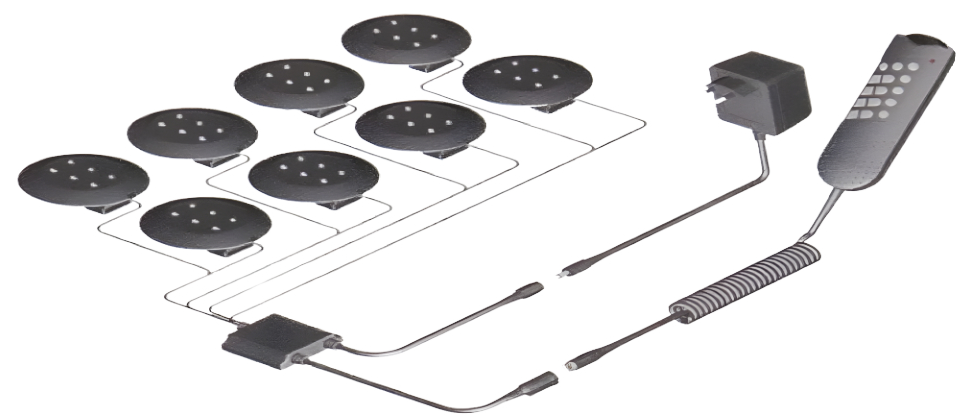 Integrated Massage Therapy
A mattress with built-in therapeutic massage goes beyond passive support, actively relieving the lower back, hip, and leg tension that disrupts sleep throughout pregnancy.
The ORO Massage System, integrated into the ORO Advanced Latex Mattress, delivers targeted massage through the mattress surface. It eases muscular tension for expectant mothers and benefits dementia patients and medically vulnerable sleepers by supporting circulation and reducing agitation, all without any manual handling.
Temperature Regulation
Pregnancy raises resting body temperature throughout all three trimesters. A mattress that traps heat, as memory foam is widely known to do, will disrupt sleep quality regardless of how supportive it is. Natural latex has an open-cell structure with thousands of air channels throughout the material, enabling continuous heat dissipation. The surface stays consistently cool throughout the night.
Hypoallergenic Construction
Pregnancy significantly alters immune sensitivity. Materials that caused no reaction before conception can become irritating during pregnancy. Natural latex mattresses are inherently:
- Resistant to dust mites and common bedroom allergens
- Free from toxic solvents and chemical off-gassing present in synthetic foams
- Manufactured from renewable, biodegradable rubber tree sap
- Environmentally responsible, with rubber trees absorbing carbon dioxide throughout their 25-year productive life
Strong Edge Support
By the third trimester, repositioning at night and getting in and out of bed safely require a mattress with firm, consistent edge support. Weak edges that collapse under weight create fall risk and make nighttime movement unnecessarily difficult.
Postpartum Value
A mattress purchased during pregnancy should continue serving you after delivery.
Consider:
- Natural latex lasts up to 20 years compared to 5 to 7 years for conventional spring mattresses
- Recovery sleep after labour requires the same spinal support and pressure relief as pregnancy sleep
- If co-sleeping is planned, surface hygiene and edge support become even more critical
Mattress type | Pressure relief | Temperature | Spinal support | Hypoallergenic | Lifespan |
|---|---|---|---|---|---|
ORO latex mattress | Excellent | Excellent | Excellent | Yes | 15 to 20 years |
Memory foam | Good | Poor | Moderate | Yes | 7 to 10 years |
Hybrid | Good | Good | Good | Varies | 8 to 12 years |
Pillow-top | Poor | Poor | Poor | Poor | 3 to 5 years |
Standard spring | Moderate | Good | Moderate | Moderate | 5 to 7 years |
Why OROMED should be your trusted choice for sleep during pregnancy
OROMED is a clinically inspired sleep solutions company whose products are specifically engineered around the needs of expectant mums and medically vulnerable sleepers. Their work has been independently reviewed by Professor Alexander Heazell, one of the UK's leading stillbirth researchers. Their ORO Advanced Sleep System won a Gold Medal and Diploma at the 31st International Exhibition of Inventions in Geneva. Their innovations hold international patents in the US, UK, Japan, and the EU.
The ORO Stillbirth Prevention Alarm pairs directly with the ORO Advanced Latex Mattress to offer a safety combination no competitor can match. While the mattress ensures the most comfortable side-sleeping position throughout pregnancy, the ORO Stillbirth Alarm provides a critical additional layer of protection, alerting the mother if she rolls onto her back during sleep. Together, they address both comfort and clinical safety in a single, integrated system.